
The magic of the internet again was the impetus for us to travel to Peru and in particular Machu Picchu. Wendy seen something on Facebook which had a link to a company called Gate 1 travel who had a 10 day tour of Peru for what seemed to be a very cheap price of $2912 each including airfares, 9 nights accomodation, 14 meals and internal airfares and coach tours. So after the obligatory search of the internet to compare and contrast what was available, we booked it.
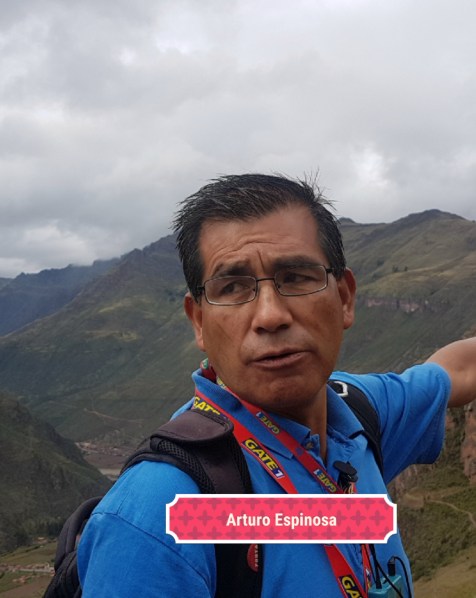
Our departure date was Sunday 9th April 2017 – 3.00am wake to catch the 4.30am train from Newcasdtle to Sydney. Of course there was trackwork between Gosford and Wyong but apart from that the trip was pain free. Our flight was at 11.10am from Sydney to Aukland then another flight Aukland to Santiago Chile, then another flight to Lima. We arrived Lima Peru on time to be met by a fellow called Arturo Espinoza.
Arturo is an amiable style of a man who was to be our guide for the next 10 days. Gate 1 collected the luggage and we then went by bus from the airport to the Jose Antonio Hotel in Miraflores…about 45minutes.
Monday 10th April – the first real day of the tour we did a half day tour of Lima with stops at Monastry Francis De San Fransisco, the catacombs and the magnificent library. we walked through the streets, half of the buildings were renovated to original features with others yet to be done. In the central square we came accross the riot police and some armed guards.

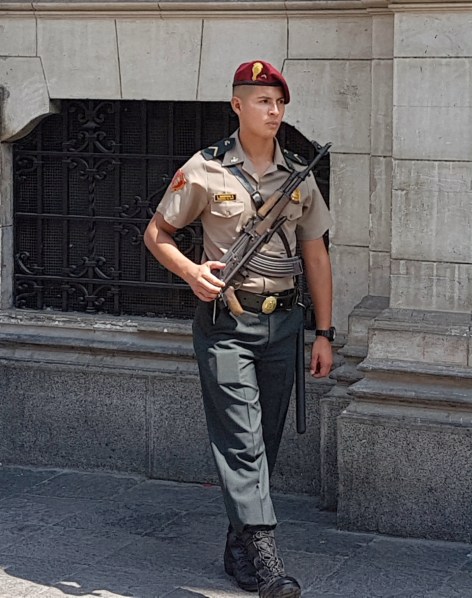
Apparently this was the only area where you are not allowed to hold protests so the show of force was very visible.
We opted not to take the afternoon and evening tours but done what we always do in a new city – got a map and walked the district. Miraflores is a more up-market district in Lima. We visited a shopping Mall built in the side of a cliff overlooking the main beach in Lima. It was disappointing to the extent all the shops were outragiously expensive. We continued to walk the streets of Miraflores and then back to the hotel for a siesta. Had a Pisco Sour. This is the national drink of Peru (apart from beer). Pisco Sour is something similar to a Marguerita but a little bit sour. The drink includes “Pisco” which is a colourless or yellowish coloured Brandy which is produced in the wine making areas of Peru and Chile. Its made by distilling fermented grape juice into a high-proof spirit. Pisco Sour’s other ingredients are lemon juice, simple syrup and egg white with a dash of Angostura bitters to garnish. Its a very refreshing drink but we both prefer Margueritas. After our siesta, we went looking for a little local Cafe to have dinner. After quite a while we settled on an expensive restaurant across the road from the Hotel called Carda. Its was very good – the sea bass was excellent.
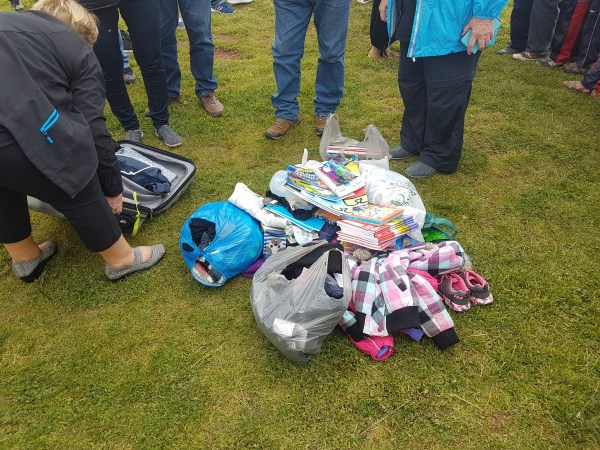
Tuesday was an early rise for us all, we had to fly to Cusco at 8.40am. On arrival at Cusco, Gate 1 organised all the luggage and we coached it to Chinchero where we spent about an hour at the local school. Some of the group brought with them to donate to the school, some educational supplies and clothing. All this was collected by the head teacher and would be distributed on a needs basis later.

The kids were the same as most school kids throughout the world – loving and appreciative of the meagre things they have in life. One 8 year old kid has to walk 45 minutes every morning to school. Another kid had shoes made from an old car tyre. None the less they were at school and they relished showing us foreign old farts the inner working of their class rooms. When it was free time, each kids was told to grab onto the arm of an old fart and show them the school.
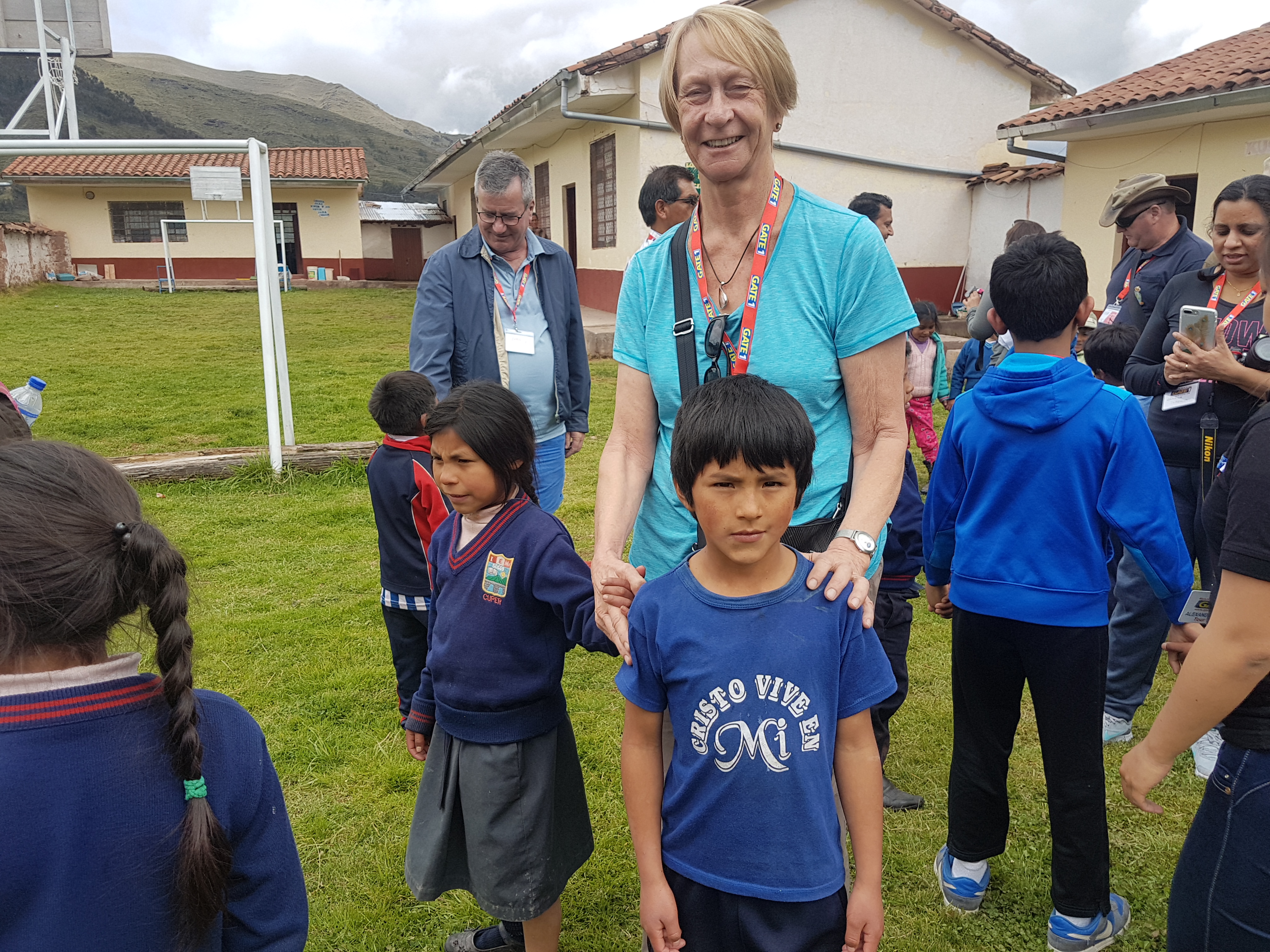
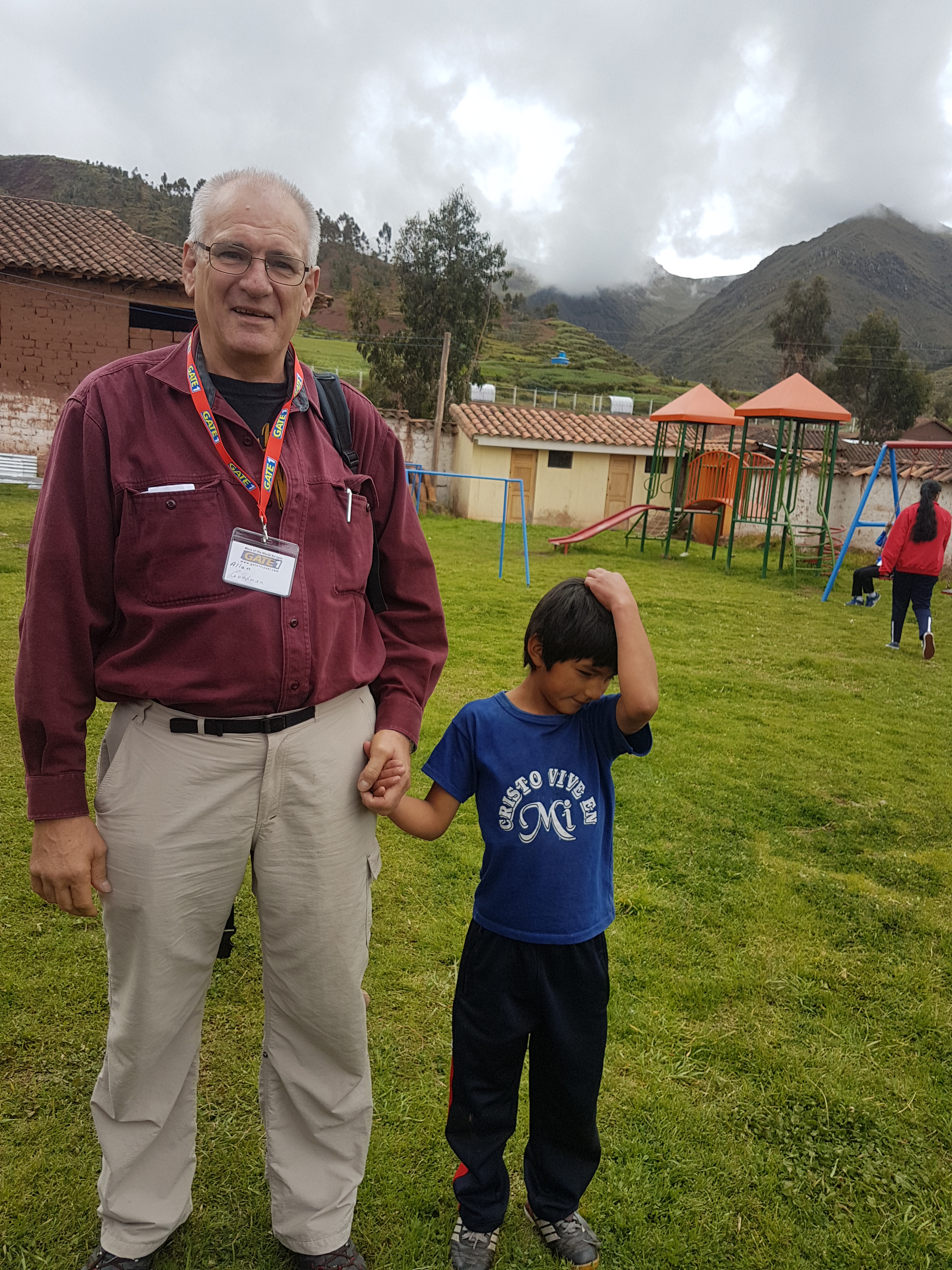
There were 22 kids and two teachers and they range from class 1 through to class 6. There were two class rooms and a hall, with a small playground. In appreciation of our visit, they sang us a song.
Then back onto the bus into Chinchero township to have a typical Peruvian lunch in a little tourist type mall. The locals provided us with what turned out to be a delicious meal. The Quinoa soup was very good and the accompaniments were also good. The Cuy was found to be a little tough even though there wasn’t much to be had.
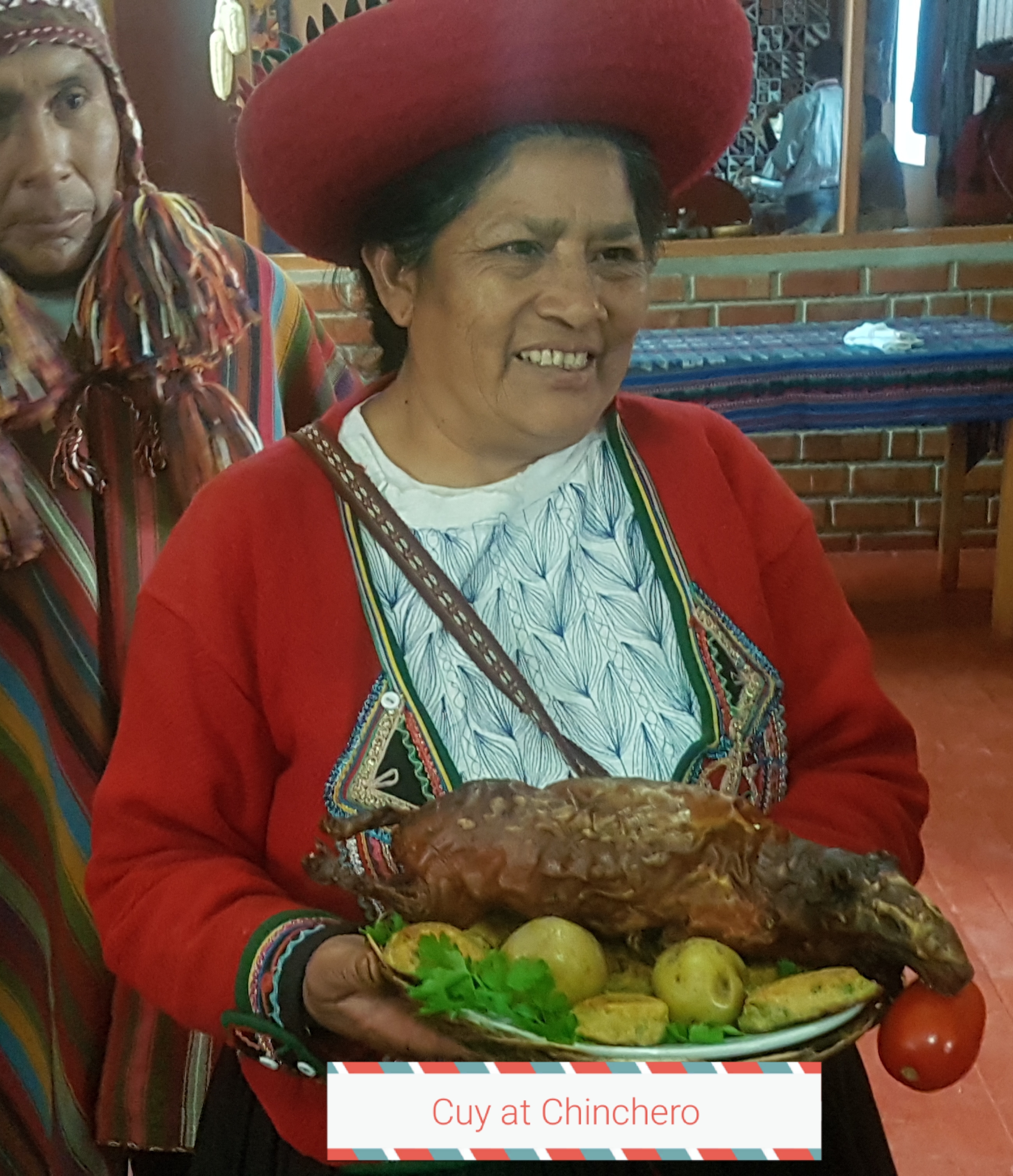

The hosts then demonstrated the ancient Andean tradition of making textiles from naturally died handwoven Alpaca wool. The dyes for the wool come from local plants, insects and minerals. The colour of Cochineal was made by crushing an insect that is a parasite of the cactus plant.
The local ladies peddling their wares did quite well that day.
Then back on to the bus to Urubamba in the Sacred Valley where we were to stay two nights at the San Augustin Hotel. Enroute we called into a Iman pottery complex that uses only local clays. The meal that night was at a local restaurant that appeared to be booked especially for us as there was no one else there.
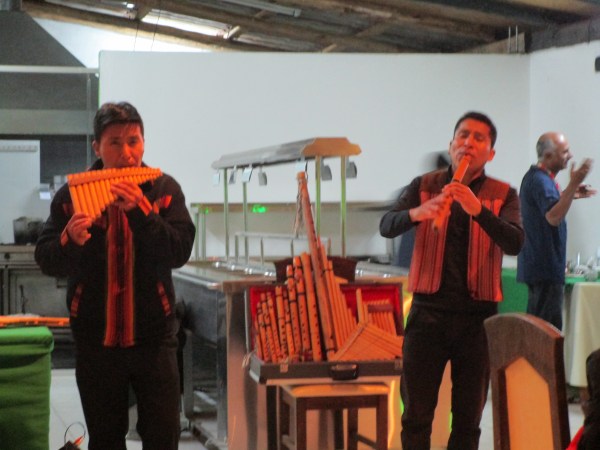
The food was good and the two local musicians who played a vast array of flutes which included the pan flute, were excellent musicians and played a good variation of Peruvian and western music.
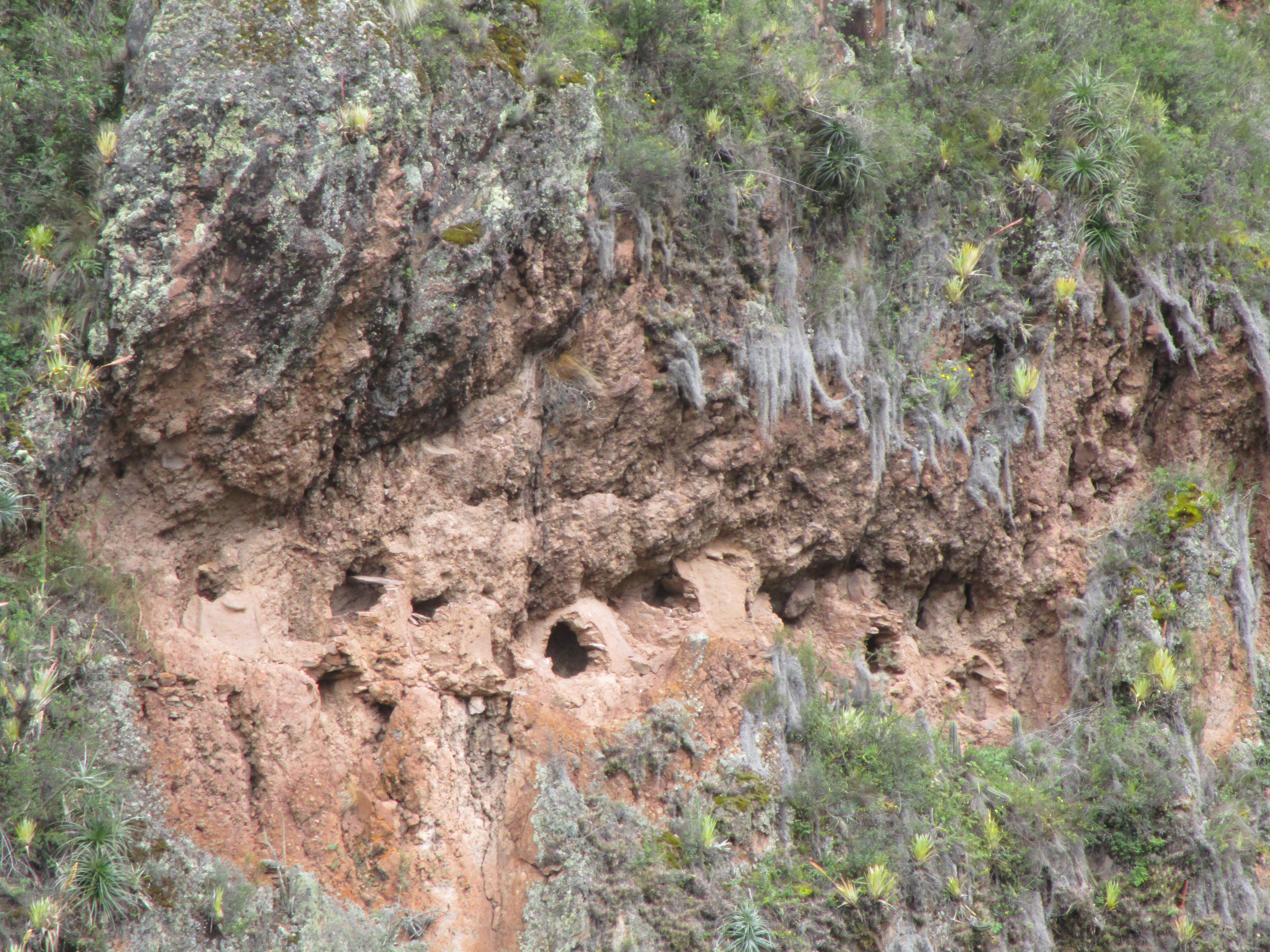
Wednesday 12th April we visited the Inca ruins of Pisac (alt 3455m). These ruins are a fine example of Inca ingenuity. In the sides of the mountain the Inca made holes to bury the dead.
The holes were horizontal and many. When the Spanish invaded, the tombs were looted looking for treasures. There are still some skeletal remains in some of them today. Water ducts are still present today.
We called into the Pisac markets on the way back. Allan bought a genuine original replica of a Inca axe and a small painting of a Peruvian man. These markets are a showcase of traditional textiles and jewelery but all the same – the same as every other market in the world whether it be asian or western.
That afternoon we were back on the bus to Ollantaytambo ruins. These are an ancient complex of temples and terraces towering over Sacred Valley. The mind boggles at the ingenuity of the Incas. Their engineering precision without the aid of modern technology is incredible.
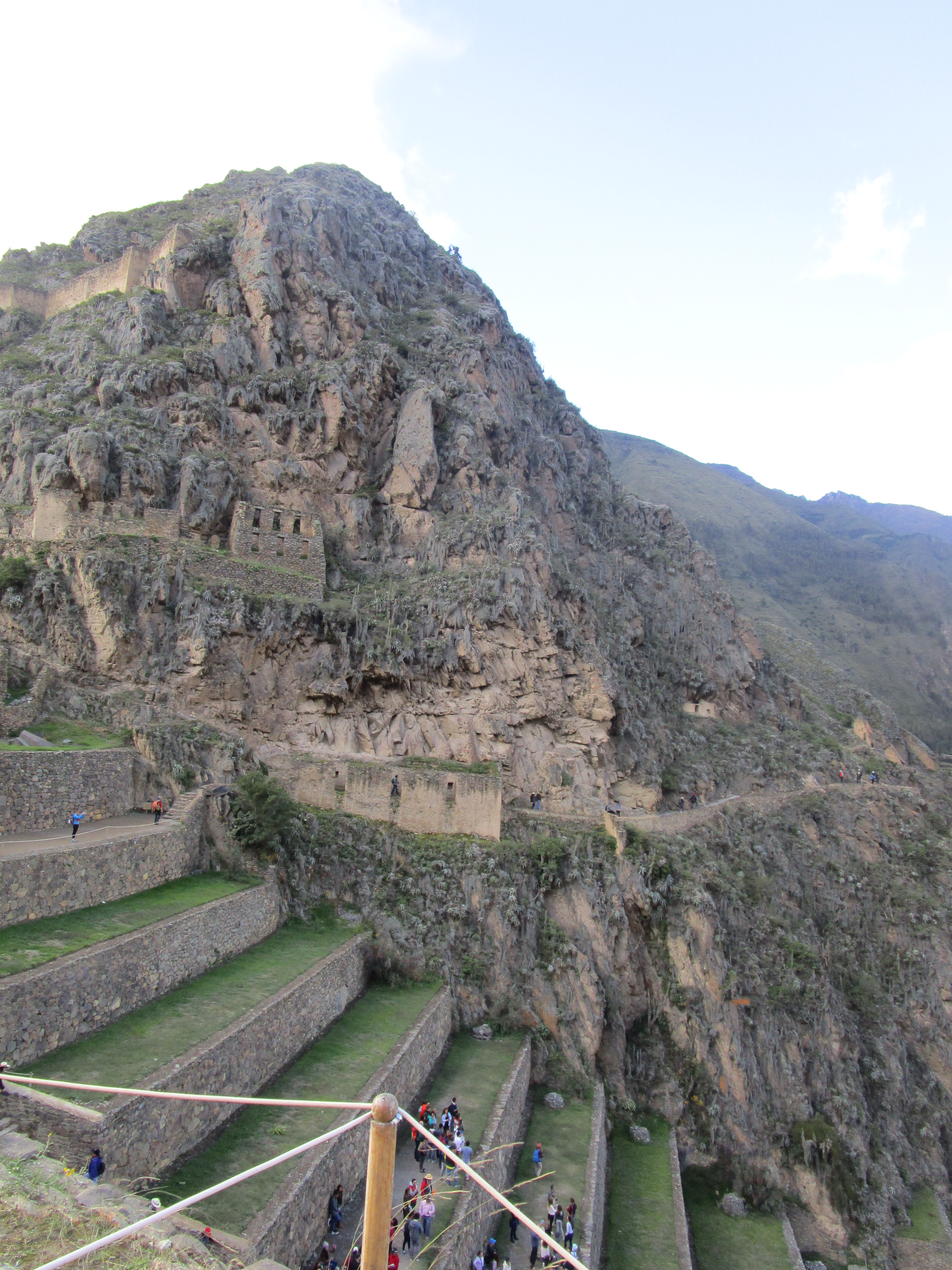
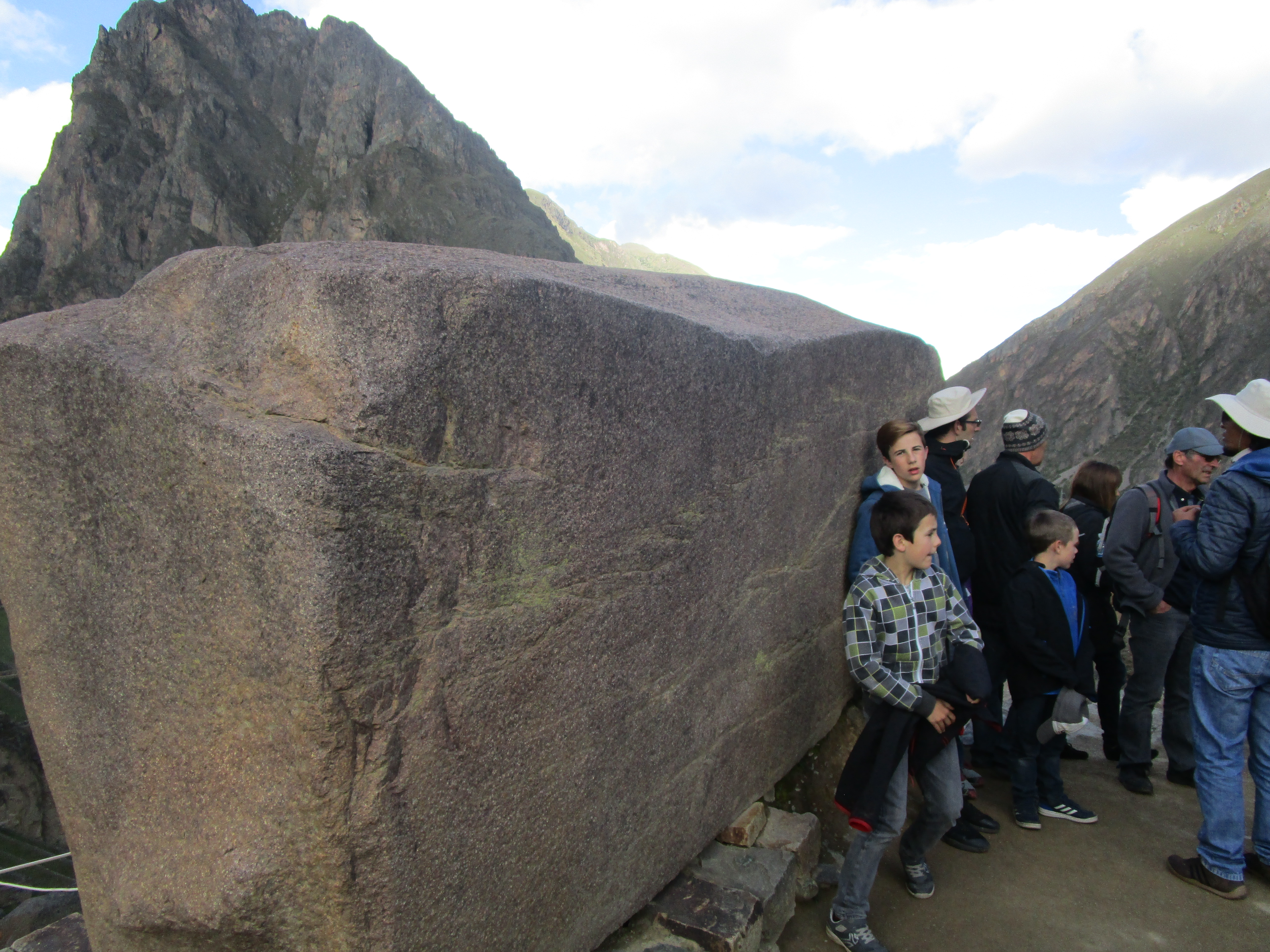

We climbed to the top of the terraces and main temple. The architecture of the Incas in this well preserved settlement is considered the last stand of the Incas in their defence against the Spanish. These ruins are considered a living museum of 15th century living.
There was an optional meal with a local Peruivian family that night but we chose to eat in at the local hotel restaurant.
Thursday 13th April – 5.00am wake up, bags packed and left outside the door, brecky at 5.30am and on bus at 6.00am to Ollantaytambo to catch the train to Machu Picchu. With fantastic views of the Sacred Valley along the way. We then had to join a bus from the township to the station – the bus staff were teribbly unorganised and inefficient but we got there without too much fuss. The bus ride was very windy yet scenic. Arrived Machu Picchu railway station with time to spare and there were plenty of tourists already there.
We waited until our train arrived and boarded what turned out to be a very comfortable carriage that had windows both on the side and above. The hour and forty minute train ride was spectacular.
The scenery was breathtaking and the train was very comfortable. We passed a hydro-elctric plant along the way. Peru’s electricity is powered only by hyrdo. No coal or wind although solar is sparcely used. For all intents, Peru is hydro only. Our trip off the train and into Machu Picchu was by another bus. Then into the citadel of Machu Picchi – the lost city of the Incas that has been designated by UNESCO as one of the seven wonders of the world. A bloke called Hiram Bingham re-discovered the place in 1911.
Thanks to Arturo we were well guided to inspect “The Temple of the Sun’, the ‘House of the Priest’ and the ‘Sacred Plaza.’ We spent about 4 hours roaming the ruins. Ample to time to be mind boggled at the marvelous ruins and the Inca brilliance. One blot on the day was when Bernadette was pick-pocketed and lost her cards and phone which had her photo’s. It happened somewhere at Machu Picchu. We then went in line to catch the bus to catch the train back to Ollantaytambo and then bus to Cusco. There was a minor hiccup with the transfer from train to bus which was primarily caused by the amount of people (due to it being a public holiday) and the Police would not let our bus pick us up from where he dropped us. We had to walk in the dark to the Plaza. After arriving Cusco at about 8.30pm had a late dinner and into bed.
Friday 14th (Good Friday) we opted not to do the optional tours for the day but just walk around Cusco by ourselves. The main Cathedral was closed that day but we managed to enter another lesser cathedral in the central square. It was magnificent in its size and grandeure. It was within spitting distance of the main cathedral but I’m not sure why.
The streets and back streets of Cusco were a pleasure to walk. They were clean, well cobblestoned and nearly all the local eateries were open even though it was Good Friday. Even the map we had was ledgible. It is our custom to do a few things when we travel. The first being walk the back streets of wherever we are, secondly eat the local culinary delicacy, thirdly Allan has a haircut and most importantly, we have a massage. So this was our next activity. We had a full body deep tissue massage with hot rocks and the trimmings. It cost about $40 each and was very good. Then it was back to the Jose Antonio Hotel for a snooze before the group dinner.
The group dinner was superb. It was a buffet but a very high class buffet with food that catered for everyone. The entertainment over dinner was a special treat for us. The Don Antonio Restaurant put of three different shows. the first being four musician, = 2 guitars, one drummer on a box and the lead singer/flute player. they were excellent.
Then 2 dancers who sought audience particpation. They got Alike’ onto the stage to do the ‘burn a tail feather’ dance. It was hilarious.
Then there were more dancers and characters in costume. They also got people onto the stage. It was well done. We were out muscled in audience participation by a very large group of Canadians.
Saturday 15th April saw us take a 9 hour bus trip from Cusco to Puno. Down on the border of Bolivia. The trip was broken with a very good informative stop at Racqui where the ruins of the Temple of Wirococha and the ruins of grain storage huts were very impressive.

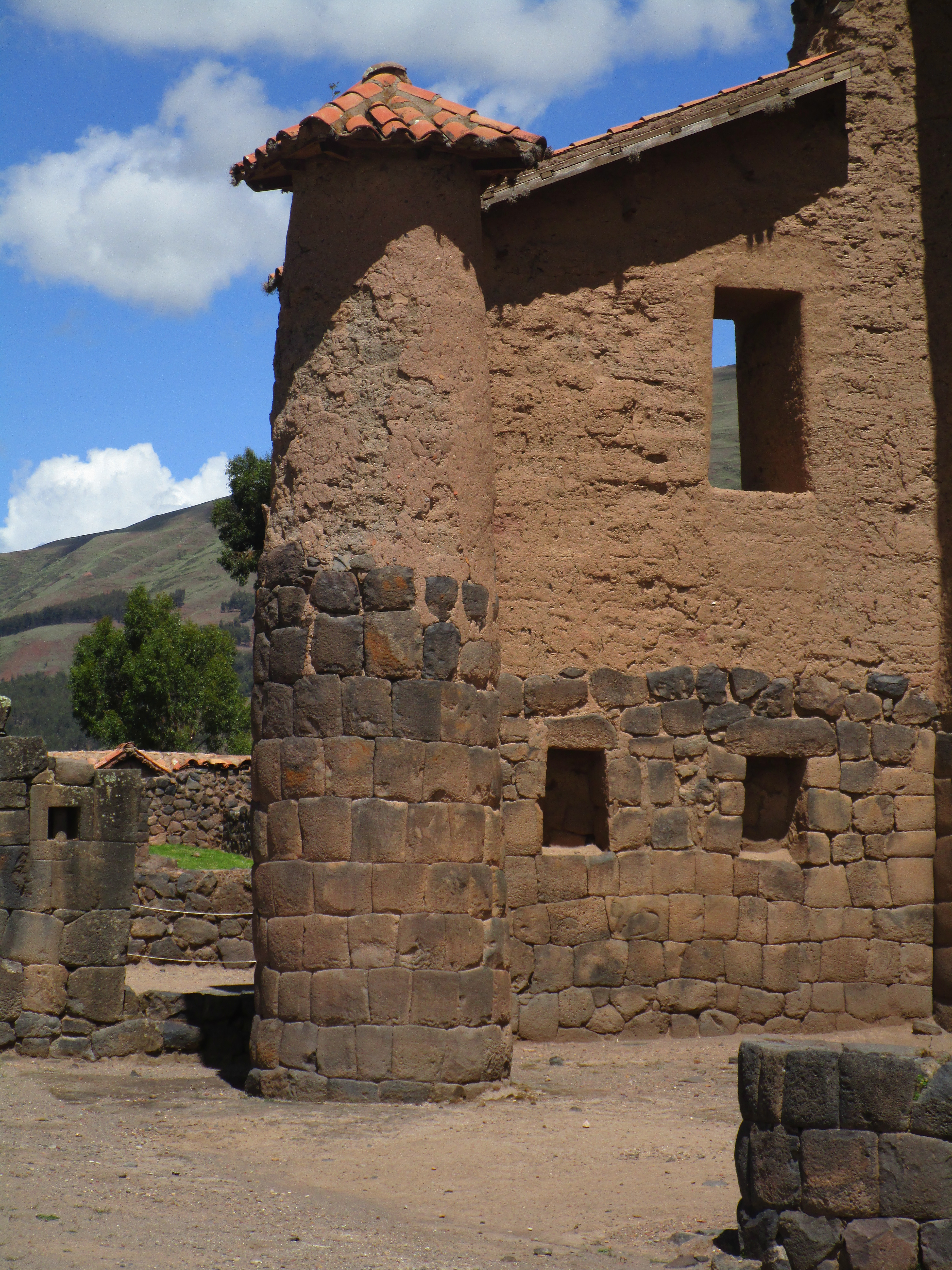

We had a box lunch on the way and stopped at La Raya Pass which is 4313m above sea level. Glaciers on The Andes bordering Bolivia is visible from there.
We arrived Puno at about 5.00pm and were left to our own devices as to dinner etc.
Saunday 16th April, woke to the sound of a very bad brass band. They were out of tune, out of tempo and out of inspiration. I think it was the call to mass – not many showed up.
After breakfast we took a bus to the harbour where we joined a boat to take us to the floating islands made from reeds. The Puno Bay is fairly polluted due the impost of man. The reeds do act as a filter on some ways and the water near the middle of the lake is quite clean. The Islands are man made with reeds. They deteriorate over time and as such are replenished every few weeks.
The people who live on the islands primarily have tourism as there main income. There is normally about 6 families to an island, each will probably have solar for power and battery for lighting. Their stoves are placed on deep bricked patches so as to to burn the reeds. The home is normally one room. In the home we were invited to visit, there was one room with very little area.
The Lake people eke out an existance on tourism and craft work.

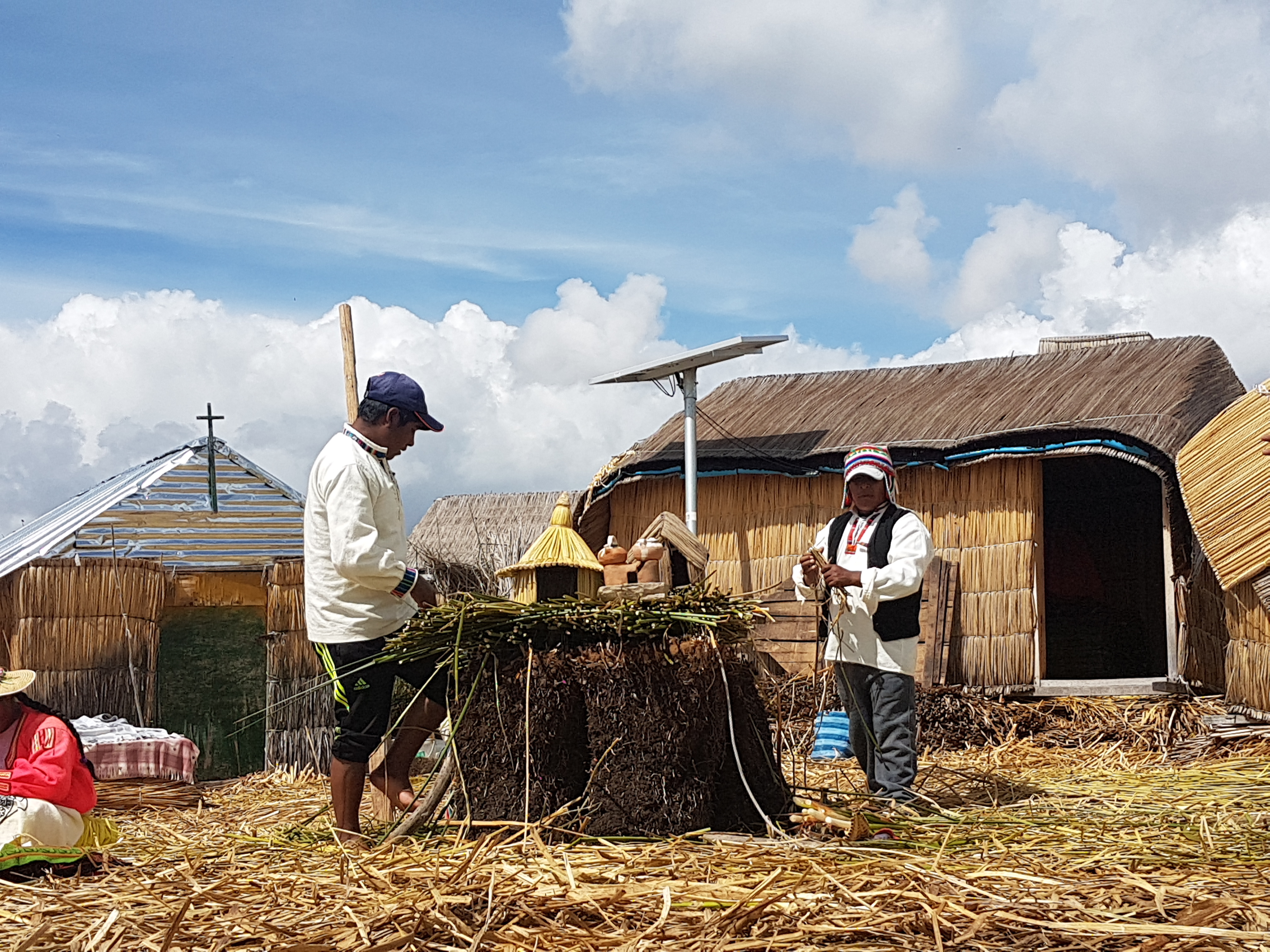

They need to continually work on the upkeep of the islands. New reeds are harvested to replace deteriorated reeds. The islands are shored up with large poles in each corner that penetrate the island and dig into the bottom to ensure the island dosen’t drift away. To supplement the income they also provide a short trip on the lake in a locally made catamaran which are apparently bouyed by 4000 water bottles. The majority of the Lake People are Seven Day Adventists and the children go to school in Puno. They take them via a motor boat.
After returning from Lake Titicata we had the afternoon to ourselves so we wandered around the main centre of Puno. Nothing startling to see or do so we went back for a siesta.
We are very pleased with our efforts to prevent the physical issues that altitude sickness can bring. When we went to Lhasa Tibet which is 3656m we struggled with the lack of oxygen. However this time, with the help of some herbal medicine, slow walking and drinking coca tea, we felt we handled the air very well.
Monday 17th April – 4.15am wake up for the 8.20am flight from Juliaca Airport to Lima. Uneventful except we had to take our lap top computers in the cabin with us! Then Back to Jose Antonio Hotel in Miraflores. Had the afternoon to ourselves. Then had a 6.00pm breifing with Arturo, just to go over the trip and what we thought etc. The entire crew of 25 were unanimous Arturo was a well versed, informative and passionate guide who is to be commended for his handling of the group. Individually we all tried our best to keep up, listen, behave and ensure a smoothe tour but collectively I think we may have failed a couple of times. Arturo certainly has the demeanour to cater to the masses.
Tuesday 18th April walked around Miraflores in the morning, Allan had the customary haircut and then went to an Indian Restaurant for lunch. It was dissapointing. Back to the hotel for a bus ride to the airport. Gate 1 looked after us right up to the departure gate.
In summary – we are very pleased we went on the trip. It ticked another box of the bucket list. We were pleased we met some many nice people.
Next trip……..Margaret River. WA. Aust.
 Goodmans Travels